


A Complete Guide to Industrial Noise Control and Regulatory Compliance for Diesel Generators
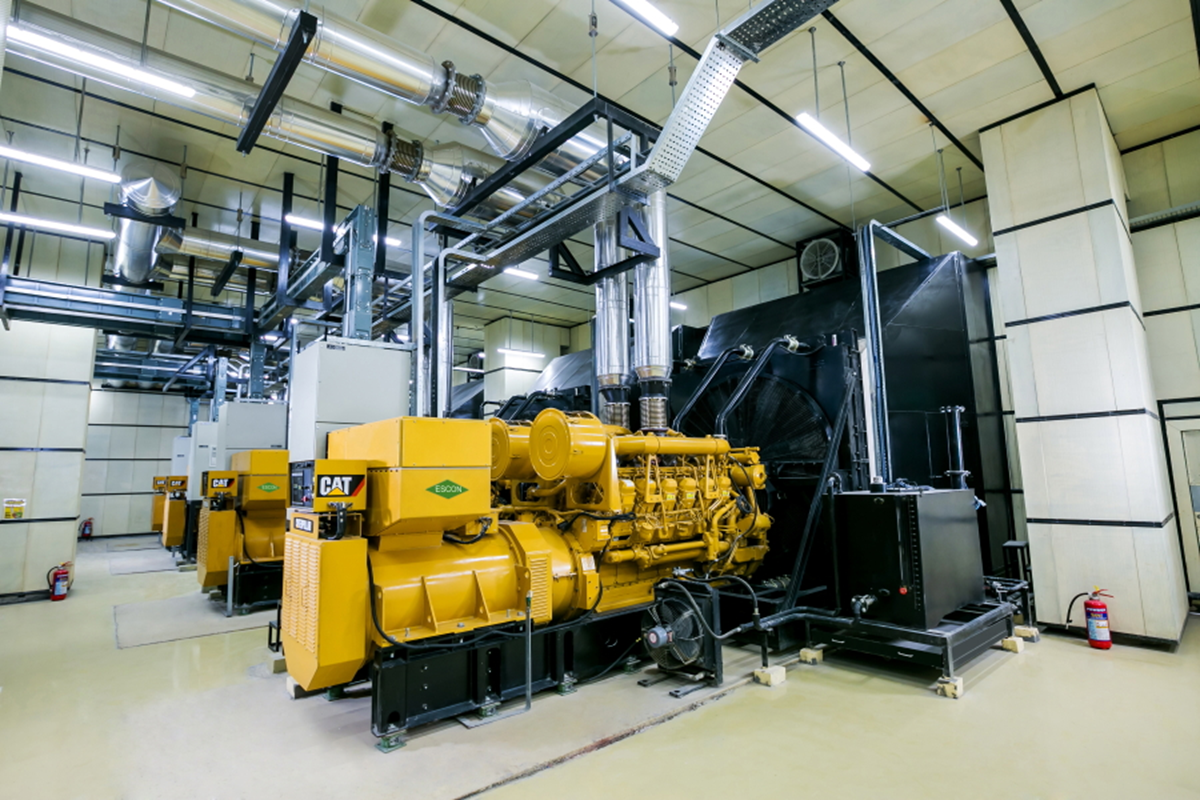
Heavy-duty power installations serve as the lifeblood of manufacturing plants, data centers, and large-scale commercial facilities. However, the high-torque internal combustion engines required to drive these systems inherently produce extreme acoustic energy.
Left unmanaged, structural vibrations and airborne exhaust decibels can quickly escalate into severe workplace safety hazards and environmental liabilities. For enterprise facilities, implementing an authoritative strategy for industrial noise control is completely essential to protect personnel and remain legally compliant.
Navigating the Legal Landscape of Indian Noise Regulations
Regulatory authorities, including the Central Pollution Control Board, enforce stringent statutory limits on permissible acoustic outputs for commercial operations. Legal standards dictate clear ambient noise boundaries across distinct environmental classifications.
- Industrial Zones: Permitted up to 75 decibels during daytime operational hours and 70 decibels during night shifts.
- Commercial Hubs: Capped strictly at 65 decibel in the day and 55 decibel throughout the evening.
- Silence Sectors: Areas located within 100 meters of educational institutions, courts, and medical facilities face severe restrictions of 50 decibel during the day and 40 decibel at night.
Exceeding these legal thresholds trigger heavy financial penalties, localised stop-work orders, or complete structural closure from pollution control boards. Consequently, commercial assets must deploy highly precise engineering solutions to suppress mechanical noise at its origin.
Primary Defense Mechanisms for Mechanical Systems
Containing massive emissions requires a multi-layered engineering approach. The first layer of defence focuses on treating the immediate vicinity of the machinery to absorb sound waves before they spread.
The Structural Layout of an Acoustic Enclosure
- Physical Sound Barrier: Utilising a factory-tested acoustic enclosure provides a rugged physical barrier that absorbs, dampens, and contains intense airborne sound waves.
- Heavy-Gauge Construction: Premium setups, such as the containerised configurations engineered by industrial power specialists like Escon Gensets, utilise heavy-gauge galvanised steel sheet metal.
- High-Density Lining: These robust outer structures are meticulously lined with multi-layered, non-combustible soundproofing materials like high-density rockwool.
Aerodynamic Ventilation Integration
- Thermal Protection: To maintain engine health, the acoustic enclosure must incorporate aerodynamic ventilation paths.
- Sound Suppression: These custom airflow loops feature integrated splitter silencers and sound attenuating louvers.
- Fresh Air Cooling: This precise layout permits substantial volumes of air to cool the internal machinery without allowing acoustic energy to escape into the surrounding workspace.
Secondary Defense: Comprehensive Room Treatment for DG Sets
When facilities install high-capacity equipment setups, deploy multiple emergency systems, or locate hardware inside underground basements, an external enclosure alone may prove insufficient.
In these complex structural environments, engineering teams must implement a comprehensive room treatment for DG sets to neutralise complex sound reflection.
Structural Hazards of Bare Spaces
- Acoustic Amplification: Uninsulated concrete engine rooms function like massive acoustic mirrors, causing sound waves to ricochet continuously off bare surfaces.
- Structural Boundary Stress: This rapid acoustic amplification significantly stresses structural boundaries and increases the risk of structure borne noise leaks.
- Reverberation Build-Up: Continuous sound reflection magnifies the baseline decibel level inside the facility creating an unsafe environment for maintenance personnel.
Remedial Cladding Benefits
- Radical Transformation: Applying a structural room treatment for DG sets radically transforms the interior environment.
- Systematic Cladding: The process involves systematically cladding masonry walls and ceilings with specialised sound absorbent panels.
- Safe Energy Dissipation: This treatment alters the room’s physical properties, safely dissolving acoustic energy rather than reflecting it back into the operational area.
Structural Integration: Acoustic Treatment
Achieving top-tier noise reduction requires an advanced approach that balances acoustic absorption with engine thermal stability. Poorly conceived soundproofing can inadvertently bottle up hot air, leading to rapid engine derating or catastrophic system failure.
For enterprises requiring infallible execution, selecting an engineered acoustic room treatment represents the absolute peak of modern environmental protection. This methodical design approach focuses heavily on structural isolation and custom-tailored ventilation geometry.
Precision Airflow Modeling
- Flawless Seal Integrity: The specialised acoustic room treatment by Escon Gensets stands out in the market by utilising high-end CNC fabrication to establish flawless structural seal integrity.
- Parallel Sound Baffles: Rather than simply packing an engine room with random insulating layers, this tailored method introduces parallel sound baffles at both primary air intake and exhaust relief zones.
- Fluid Dynamic Efficiency: The layout optimises air intake velocity to match the engine’s exact volumetric consumption requirements.
Thermal Energy Protection
- Maximum Output Capacity: By prioritising precise airflow modeling, the acoustic room treatment by Escon Gensets guarantees that heavy duty machinery operates at maximum output capacity.
- Thermal Mitigation: It successfully isolates structural sound transmission while completely mitigating the threat of thermal energy buildup.
- Extended Engine Lifespan: Preventing heat accumulation prevents premature component wear and protects internal electronic control systems.
Critical Components of Industrial Noise Management
An authoritative industrial noise control program must simultaneously address multiple vectors of acoustic transmission through targeted engineering upgrades.
- Vibration Isolation Mounts: Positioning heavy duty elastomeric pads or high deflection spring isolators directly beneath the engine chassis to break rigid structural paths and stop structure borne vibrations.
- Industrial Grade Mufflers: Fitting premium critical grade or hospital grade exhaust silencers on the engine manifold to quiet the rapid, high pressure gas expansions exiting the exhaust stack.
- Acoustic Access Doors: Installing heavy, double-sealed utility access doors fitted with industrial compression gaskets to prevent sound energy leaks through functional entry pathways.
Balancing Operational Performance
Industrial noise management is an essential element of modern corporate infrastructure planning and statutory compliance. Failing to contain generator noise impacts workforce health, disrupts communities, and invites costly litigation.
Whether an infrastructure asset requires a standalone acoustic enclosure for an outdoor setup or an extensive acoustic room treatment by Escon Gensets for a complex basement powerhouse, investing in proper engineering safeguards protects capital assets.
Partnering with elite noise mitigation fabricators like Escon Gensets ensures that commercial organisations secure reliable emergency backup power while maintaining a perfectly quiet, compliant, and productive facility footprint.