


Diesel Generator Sets Explained: A Beginner’s Guide to Powering Industrial Operations
In industrial operations, power is the key to achieving optimal productivity. Manufacturing plants, processing units, metalworks, and numerous other sectors rely on consistent electricity to operate heavy machinery and other complex systems.
Even a brief power outage can bring entire production lines to a halt, resulting in significant losses. This is where diesel generator sets step in as a reliable and sturdy backup power source that keeps operations running smoothly, even during unexpected electrical failures.
For beginners trying to understand how these systems work and why industries rely on them so heavily, this guide offers a clear and practical overview. Whether you're part of a growing manufacturing unit or a facility manager looking to strengthen power backup systems, knowing the fundamentals of generator technology is important.
What Are Diesel Generator Sets?
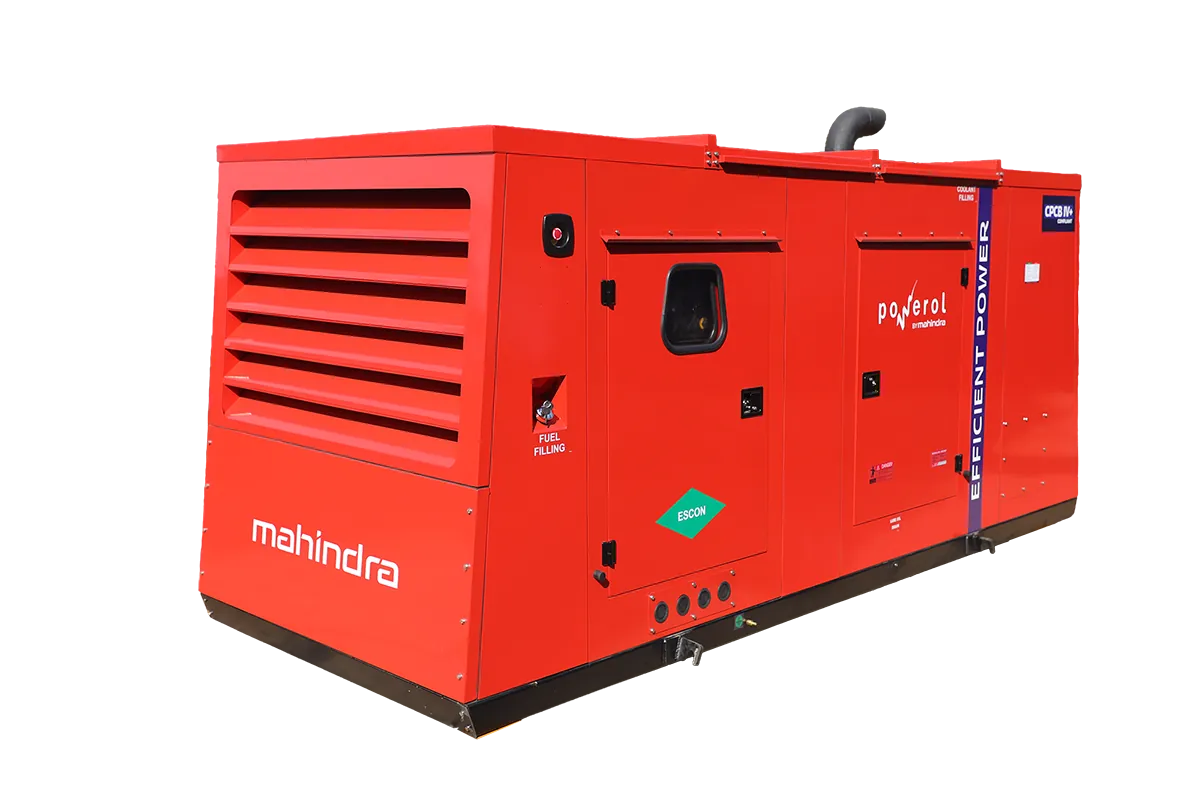
At their core, diesel generator sets (often called DG sets) are power backup systems that convert the chemical energy of diesel into electrical energy. The generator uses the fuel to create multiple tiny explosions that power the various components within the engine,\ and produce electricity. This makes them especially suitable for industries that cannot afford unexpected downtime.
Industrial facilities choose DG sets because they are durable, fuel-efficient, and capable of powering energy-intensive operations for extended periods. Their ability to automatically switch on the moment power is lost ensures that critical equipment and processes continue without interruption.
Why Industries Depend on Diesel Generators
1. Uninterrupted Power Supply
Industrial operations run on precision and timing. A single interruption can halt production, damage partially processed goods, and disrupt delivery schedules. Diesel-powered backup systems immediately activate during power cuts, ensuring that everything, from conveyor belts to climate-controlled rooms, continues operating seamlessly.
2. High Efficiency and Reliability
Diesel engines are known for their long lifespan and ability to handle heavy loads consistently. For industries that operate large machinery or energy-intensive lines, these backup solutions offer the stability and performance they need.
3. Cost-Effective for Large-Scale Use
While the upfront investment may be higher, diesel generators prove more economical over time. Diesel fuel produces more energy per unit compared to some alternatives, allowing the generator to work efficiently with lower fuel consumption. Additionally, diesel engines typically require less maintenance, reducing long-term operational costs.
4. Fast Response in Emergencies
Generators must activate at a moment’s notice, and diesel systems excel in this regard. Their swift response ensures that production doesn’t even have a chance to slow down. For industries where even a few seconds matter, this capability is invaluable.
5. Alignment with Modern Standards
Newer industrial generators incorporate improvements in emissions, noise control, and fuel efficiency. This allows industries to benefit from robust power output while adhering to modern environmental expectations.
Understanding the Significance of a 250 kVA Generator
For medium to large industries, the 250 kVA generator is one of the most widely used. It provides a balanced power output capable of supporting machines that need a heavier load without occupying excessive space. Units in this rating typically feature:
- Fast recovery time for seamless switching
- Effective governing systems to manage voltage fluctuations
- Compact engine footprint for easy installation, including roof mounting
- Reduced vibration levels
- Compliance with stringent noise and emission norms
Industries That Rely Heavily on Diesel Power Systems
Different sectors have varying power demands, but many share the need for reliability. Key industries include:
- Automotive manufacturing, where precision and timing are critical.
- Food processing plants that rely on refrigeration and high-speed production systems.
- Textile units, where continuous machine operation ensures quality and throughput.
- Pharmaceutical production requires uninterrupted climate and equipment control.
- Steel and metal plants, known for their high-energy-consuming processes.
Choosing the Right DG Set for Industrial Use
When selecting a generator for industrial operations, several factors come into play:
1. Power Requirements
Choose a model that meets or exceeds your facility’s power usage. Undersized units strain easily, while oversized ones can increase operational costs unnecessarily.
2. Fuel Efficiency
Long-term efficiency matters. A model with optimised fuel consumption ensures economical performance.
3. Noise Levels
Some generators come with acoustic engineering or low-noise operation capabilities, essential for worker comfort and regulatory compliance.
4. Emission Standards
Select units that align with environmental regulations and operational sustainability expectations.
5. Maintenance Considerations
Ease of servicing and the availability of routine maintenance support ensure long-lasting performance.
Escon Genset focuses on guiding industries toward solutions that balance performance, durability, and compliance with modern operational standards.
Conclusion
Understanding diesel generator sets is vital for anyone involved in industrial operations. These systems are reliable, emergency backups; they safeguard production, reduce risks, and maintain operational efficiency. Whether it's supporting high-powered machines, stabilising production lines, or ensuring that critical equipment remains functional during grid failures, diesel generators play an indispensable role.
For industries that need consistent, reliable, and efficient power solutions, investing in the right generator, whether it's a compact unit or a robust 250kVA generator, ensures long-term stability and resilience. As manufacturing and industrial environments continue to evolve, well-engineered DG sets remain one of the most dependable pillars of uninterrupted power.