


Why Generator Acoustic Enclosures Are Essential for Manufacturing Plants
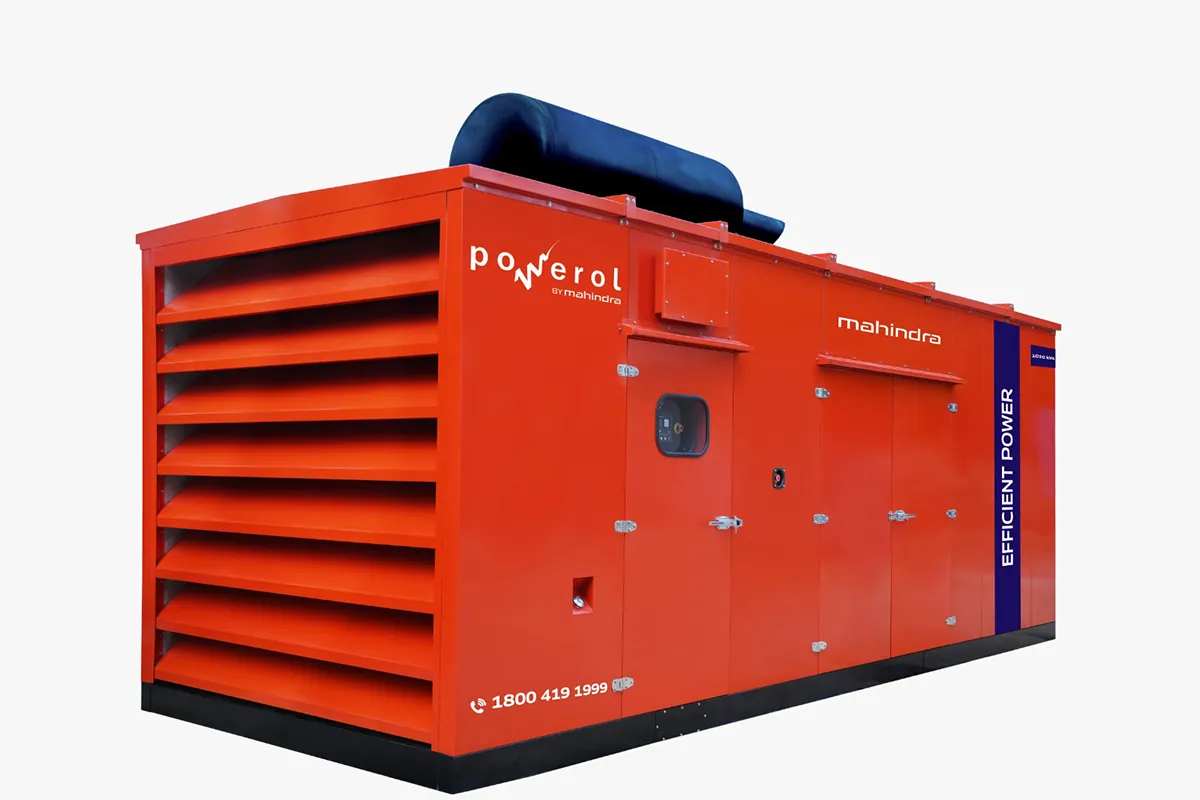
At present, in any manufacturing plant, uninterrupted power is the backbone for each day's smooth operations. From automated assembly lines to precision machinery and climate-controlled storage areas, every function in a factory relies on stable power.
Diesel generators remain one of the most dependable backup power solutions, stepping in instantly during power cuts to maintain production continuity. Yet, they come with one major challenge: noise.
The unmistakable roar of a diesel generator disturbs worker concentration, impacts communication, and reduces the overall comfort of the facility. This is precisely where a generator acoustic enclosure becomes important. For industries that operate at high capacity and need a quieter, safer environment, these enclosures are a crucial part of power management.
The Nature of Noise in Diesel Generators
To understand why noise control is important, we first need to know where the noise comes from. Diesel generators run on combustion, which means tiny explosions happen inside the engine to produce power.
Each explosion creates strong vibrations. These vibrations, along with the high-pressure exhaust gases and the movement of internal parts, cause the generator to produce a loud noise, usually between 70 and 100 decibels.
To put that into perspective, 70 decibels is equal to the noise of heavy road traffic, while 100 decibels is the level of sound made by a motorbike. In a manufacturing plant, where multiple machines already contribute to ambient noise, unchecked generator noise can push sound levels into harmful territory for workers.
Why Manufacturing Plants Need Noise Control
Manufacturing plants are detail-driven spaces. Precision tasks, safety signals, inter-team communication, and worker concentration all rely on a manageable soundscape. Too much noise can disrupt these operations, leading to:
- Reduced productivity
- Higher fatigue levels among workers
- Miscommunication or muffled safety alarms
- Lower overall workplace comfort
For plants located near residential areas, generator noise disturbs the ambience of the locality, which can cause a conflict with the receding community or even violate local noise guidelines.
An effective way to tackle all these concerns is by installing an acoustic enclosure that is designed specifically to contain and reduce operational noise.
How Acoustic Enclosures Work
The purpose of an enclosure is straightforward: isolate the generator and restrict the noise coming from the generator engines. But the engineering behind it is far more advanced than simply covering the machine.
High-performance enclosures incorporate:
1. Sound-absorbing materials
These enclosures are lined with acoustic foam or sound-absorbing panels that trap sound waves. Instead of allowing noise to reflect and travel outside, the materials weaken the sound inside the enclosure itself.
2. Optimised ventilation pathways
Generators require consistent airflow to stay cool. A well-designed enclosure ensures smooth ventilation through smartly placed openings and channels. This maintains the generator’s temperature without allowing noise to escape.
3. Enhanced exhaust mufflers
One of the loudest components of a generator is its exhaust system. An optimised muffler reduces the loud bursts of air and combustion gases leaving the engine.
These elements work together to lower noise levels while ensuring the generator operates efficiently and safely.
The Role of Galvanised Steel Enclosures in Industrial Settings
For facilities that prioritise both durability and acoustic control, galvanised steel acoustic enclosures offer a dependable solution. Their robust construction shields the generator from harsh industrial conditions such as dust, heat, humidity, and accidental impact, common realities in manufacturing plants.
Key advantages include:
Significant noise reduction
Workers can operate machinery, communicate, and focus without the constant heavy hum of a diesel engine in the background. This improves task accuracy and minimises distractions.
Long-term equipment protection
By preventing exposure to weather elements, airborne particles, and mechanical interference, the enclosure improves the generator’s lifespan. This reduces breakdowns and maintenance frequency, ensuring the generator is ready whenever it is needed.
Better safety compliance
Generators have moving components, hot surfaces, and electrical connections. An enclosure adds a protective barrier that prevents accidental contact and minimises safety hazards for workers.
Manufacturing plants deal with large power loads and tight production schedules. As a result, making sure that the backup power system remains both efficient and safe is important. This is where Escon Genset comes in with our emphasis on engineering-led acoustic solutions that cater to the complex needs of industrial clients.
Balancing Comfort and Performance
Ultimately, soundproofing diesel generators is about striking the right balance. Manufacturing plants need powerful backup systems, but they also need a comfortable and controlled environment for workers. Proper acoustic enclosures offer:
- Enhanced worker well-being
- Better machine performance
- Greater compliance with noise regulations
- A cleaner and safer operational setup
Instead of treating noise control as an afterthought, plants that integrate acoustic enclosures from the beginning enjoy smoother operations and fewer disruptions.
Final Word
In manufacturing plants, where efficiency and safety are non-negotiable, a well-engineered generator acoustic enclosure is an essential requirement. Acoustic Enclosures by Escon Genset uphold the delicate balance between operational power and workplace comfort, ensuring that diesel generators support production without compromising the environment around them.