


Diesel Generators Demystified: What Makes Them Ideal for Indian Homes & Businesses?
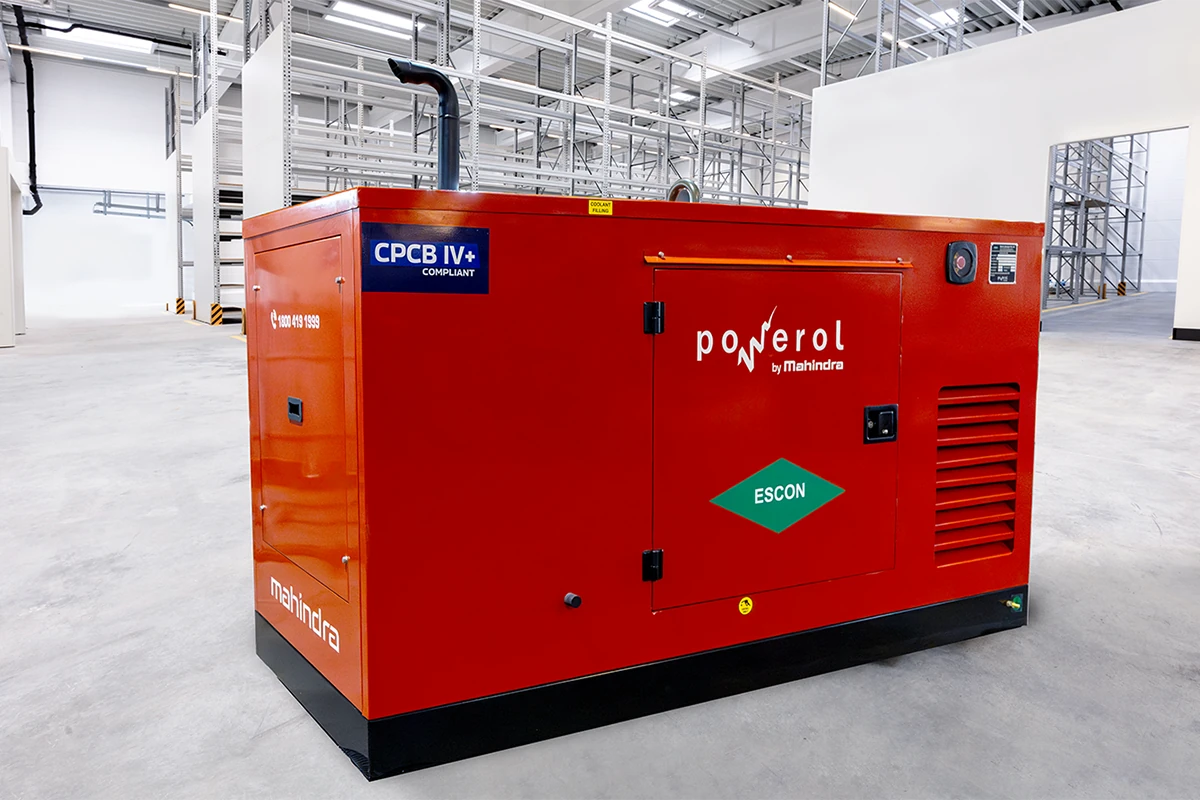
Imagine working peacefully without any noise or clunking sounds during a power cut. That promise to deliver power backup without irritating sounds is the goal of acoustic room treatment for generator installations. In this post, we take you behind the walls to see how smart design and sound science turn roaring machines into silent workhorses.
The Noise Challenge: Why Generator Rooms Need Special Care
Generators, especially diesel units, are inherently noisy. Their internal combustion, rotating parts, cooling fans, and exhaust all generate mechanical vibrations and sound waves. If these go unchecked, they can rattle walls, disturb the residents and the neighbours, and even violate local noise regulations. To solve this, real-world generator installations use a combination of strategies:
- Isolate vibrations so noise doesn’t transmit into the structure
- Absorb airborne sound within enclosures or dedicated generator rooms
- Control exhaust and intake noise via silencers and acoustic ducting
- Seal leak paths (doors, louvers, gaps) so sound doesn’t escape
Key Elements of Good Acoustic Room Treatment
Here are the foundational elements you’ll want in your acoustic plan
1. Vibration Isolation & Floating Floors
Vibrations are one of the biggest culprits of noise transmission. To contain them:
- Use anti-vibration mounts, springs, rubber, or elastomeric pads under the generator base. These break the rigid mechanical path between machine and structure.
- Consider a floating floor: build a lighter slab or slab-on-springs atop the main structure. The generator sits on that, so the main building hears less.
- Add inertial masses (heavy concrete or steel blocks) decoupled via mounts. The greater the mass, the harder it is to shake appreciably.
These steps address structure-borne noise (noise traveling via mechanical paths through the building).
2. Exhaust & Intake Noise Control
Even with a quiet shell, exhaust and air intake are noise paths. Strategies include:
- Fit a muffler/silencer on the exhaust line.
- Use acoustic elbows or duct silencers to disrupt the direct line-of-sight of sound.
- Add sound baffles or acoustic filters to air inlets (with honeycomb designs or lined ducts).
- Orient exhaust away from sensitive areas (windows, offices) and elevate stack height.
This ensures that harmful noise doesn’t leak through functional gaps.
3. Strategic Placement and Buffering
Don’t forget the “big picture” layer:
- Place the generator room away from quiet zones (bedrooms, offices, healthcare rooms).
- Use landscape barriers (berms, vegetation, acoustic fences) to shield outdoor noise.
- Use earth berms or walls with absorbing facades.
- Ventilation ducts can be routed through quieter zones before reaching outside, with bending paths to reduce direct noise transmission.
Putting It All Together: A Sample Acoustic Strategy
Let’s imagine a facility with a diesel power room:
- Foundation / base: build a small raised plinth mounted on rubber-spring mounts — effectively a floating floor.
- Generator installation: Place the generator on soft mounts with vibration isolators at each corner.
- Acoustic shell: erect double-walled panels (steel + concrete with damping layer) around the generator, lined inside with absorption panels.
- Vent & airflow design: supply louvers with acoustic baffles, acoustic silencers in intake/exhaust ducts.
- Doors & access: airtight doors with seals, acoustic gaskets, possibly a labyrinth entry.
- Exhaust handling: a silencer, acoustic elbows, and stack oriented away from quiet zones.
- Adjunct measures: buffer walls, green barriers, extra mass behind lightweight panels.
- Routine maintenance: ensure filters, joints, and dampers are well maintained since leaks or worn mounts degrade acoustic performance.
Why Escon Cares About Quiet
At Escon Gensets, we believe power should stay in the background, doing its job without calling attention to itself. That’s why when we deliver solutions, we also think about how to keep them considerate of loud sounds, especially for installations in residential zones, offices, hospitals, schools, and urban settings.
Combining acoustic room treatment and smart generator acoustic enclosure design is not just about comfort; it’s about compliance (noise regulations), user satisfaction, and protecting adjacent spaces from intrusion.
Final Thoughts
Sound is energy; if you don’t block it or absorb it, it travels. But with thoughtful acoustic room treatment, vibration isolation, mass, absorption, careful venting, and sealing, even a roaring generator can be tamed into a silent ally.
When you pair proper room design with a quality genset from Escon, you get a powerhouse that works hard without shouting.