


Diesel Generators in 2026: Trends, Tech Upgrades, and What Buyers Need to Know
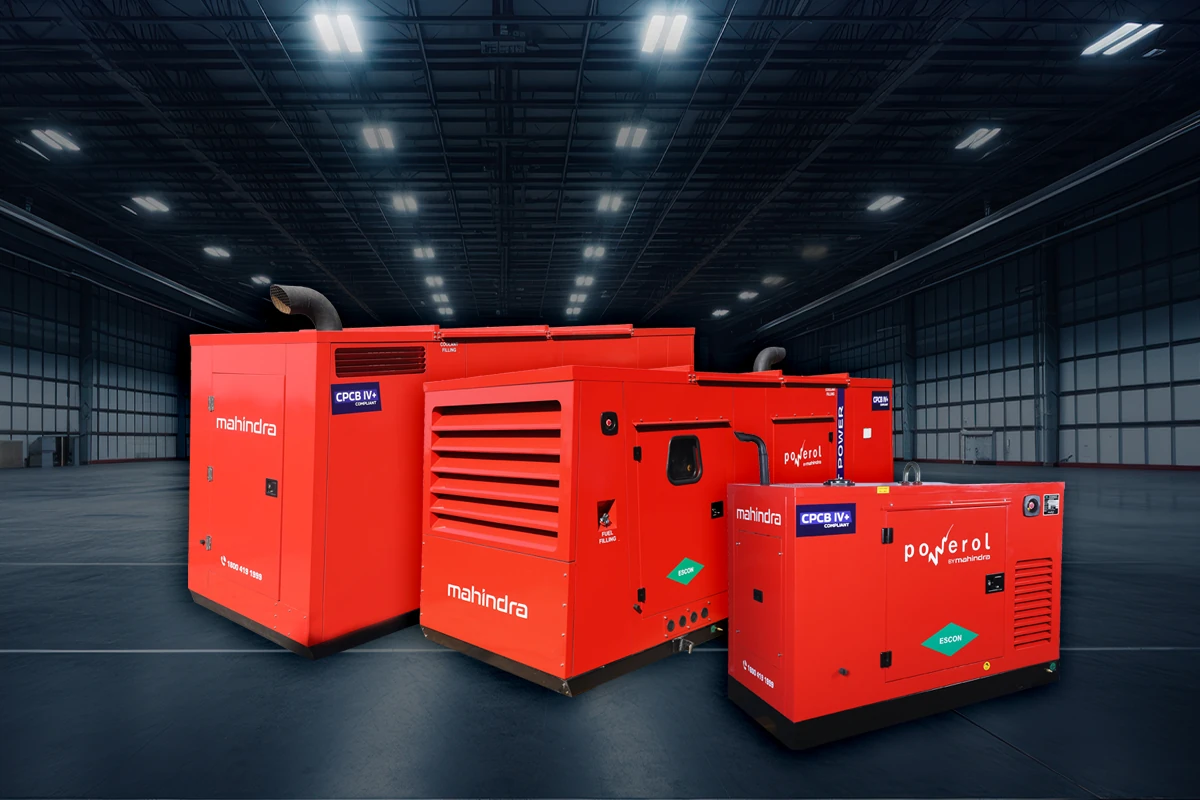
In a world that depends on constant electricity, reliable backup power is no longer optional. From factories and hospitals to construction sites and homes, power cuts effectively bring all operations to a halt. That’s why diesel generators continue to play a vital role in 2026, offering dependable energy solutions across industries.
But the landscape is evolving. Technology upgrades, efficiency demands, and sustainability concerns are shaping the next generation of generator systems. Here’s what buyers need to understand before making a decision.
The Growing Importance of Diesel Generators
Industry reports suggest that the diesel generator market is expected to grow steadily, with demand increasing year after year. This growth is largely driven by the need for reliable power in sectors such as construction, mining, healthcare, and commercial facilities.
Construction alone accounts for a significant portion of global usage. In emergencies, especially in hospitals and critical task facilities, these generators ensure uninterrupted operations. Their ability to perform in remote locations and harsh environments makes them especially valuable.
However, buyers are becoming more aware of noise, emissions, and maintenance costs. Reliability remains essential, but so does long-term efficiency and environmental responsibility.
Key Features of Modern Diesel Generators
Today’s diesel generators are far more advanced than earlier models. Efficiency has improved significantly. A well-designed diesel engine can convert more fuel into usable energy compared to many alternatives. This translates into lower long-term fuel costs, an important factor when fuel accounts for a large percentage of operating expenses.
Durability is another major strength. Diesel engines are built to withstand tough conditions and long hours. With proper maintenance, they can deliver years of consistent service. Reduced wear and improved engine design also mean fewer repairs over time.
Noise control has also improved. While diesel engines have traditionally been loud, modern designs incorporate better sound insulation and quieter operation. That said, buyers should still carefully consider the designated installation area, especially in residential or noise-sensitive areas.
Efficiency and Load Capacity: What to Evaluate
When choosing a generator in 2026, efficiency and load capacity are critical considerations.
Efficiency determines how effectively fuel is converted into energy. A highly efficient generator reduces operating costs over time. Load capacity, on the other hand, indicates how much power the unit can handle at once. Selecting a generator that matches your power demand prevents overloading and unnecessary strain.
Before purchasing, assess the equipment you plan to power. Offices, manufacturing units, data centres, and healthcare facilities all have different requirements. A mismatch between generator capacity and actual load can lead to higher fuel consumption and maintenance issues.
Understanding Operating Costs
Operating costs go beyond the initial purchase price. Fuel consumption is often the largest expense. For example, even moderate fuel usage per hour can add up significantly over months and years.
Maintenance costs vary depending on usage and servicing discipline. Neglecting maintenance often results in higher long-term expenses due to unexpected repairs and part replacements. That’s why routine checks help prevent costly breakdowns later.
Sustainability and Technology Upgrades in 2026
Sustainability is becoming a central theme in generator technology. Manufacturers are exploring hybrid systems that combine diesel with renewable energy sources to reduce emissions.
Sustainability is becoming a central theme in generator technology. Manufacturers are exploring hybrid systems that combine diesel with renewable energy sources to reduce emissions.
Advanced fuel injection systems are improving combustion efficiency, lowering fuel consumption and reducing carbon footprints. However, cleaner fuel access remains a challenge in some regions, which can limit the effectiveness of these advancements.
Another major trend is real-time monitoring. With IoT-enabled systems, users can track generator performance, fuel usage, and emissions data. This allows for better maintenance planning and more informed operational decisions.
What Buyers Should Keep in Mind
As you evaluate options in 2026, consider the following:
- Match generator capacity to your actual power requirements.
- Evaluate fuel efficiency and projected operating costs.
- Factor in maintenance schedules and long-term service needs.
- Consider noise levels and environmental regulations.
- Explore monitoring technologies for better performance tracking.
At Escon Gensets, the focus remains on helping buyers understand these nuances so they can choose wisely based on their operational needs.
Final Thoughts
In 2026, diesel generators remain a cornerstone of reliable power solutions. They are stronger, more efficient, and technologically advanced than ever before. Yet, buyers must look beyond the surface, examining costs, sustainability, and real-world usage requirements.
Whether powering construction projects, hospitals, commercial spaces, or exploring alternatives like a 15kVA generator , the right decision comes down to careful evaluation and informed planning.