


Why Acoustic Room Treatment for 50kVA Gensets Is Important?
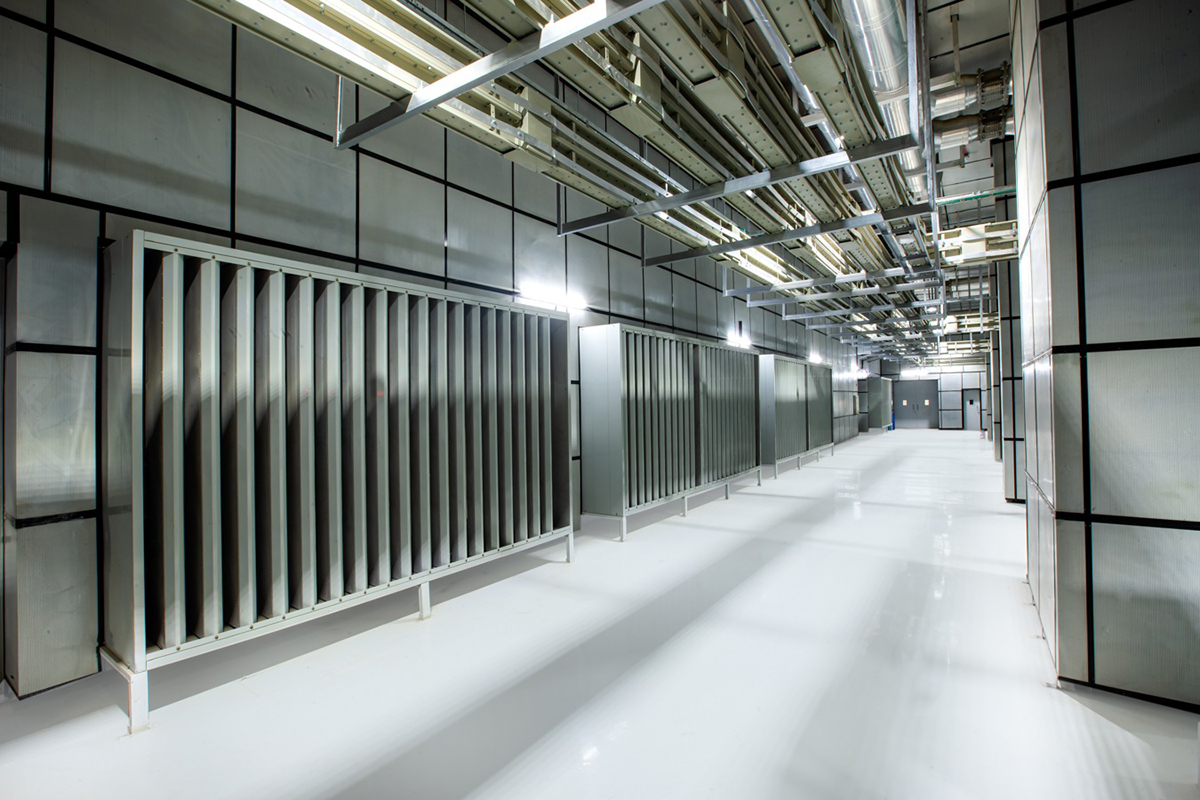
Uninterrupted power is important for industries, commercial spaces, hospitals, and residential complexes. A 50kVA generator is often the preferred choice for medium-scale power backup needs because it offers a practical balance between capacity and efficiency. However, one challenge that cannot be ignored is noise.
Diesel generators are powerful machines, and with power comes sound. If not properly managed, generator noise can disrupt workplaces, disturb nearby residents, and even violate regulatory norms. This is where Acoustic Room Treatment becomes necessary.
The Growing Importance of Noise Control
Modern operations rely heavily on machines. Generators, HVAC systems, and industrial equipment now operate closer to people than ever before. While this proximity improves efficiency and convenience, it also increases exposure to high sound levels.
Excessive exposure to noise for long hours affects concentration, reduces productivity, and potentially causes hearing-related issues. In offices, data centres, and hospitals, maintaining a controlled sound environment is essential for smooth functioning.
For businesses that need a 50kVA generator, investing in an acoustic room treatment helps create a quieter and more comfortable environment without compromising on performance.
What Is Acoustic Room Treatment?
Acoustic room treatment involves designing and installing specialised materials and structures around a generator to reduce sound from leaking. It is more than just placing a cover over the machine. It includes managing airflow, controlling vibration, and ensuring safety, all while reducing sound levels.
An acoustic enclosure or treated generator room surrounds the genset with materials that absorb, block, and dampen sound. At the same time, the design ensures that the generator remains properly ventilated and operates efficiently.
Meeting Strict Noise Regulations
In India, generator noise is regulated by the Central Pollution Control Board (CPCB). According to these norms, generators must not exceed 75 dB(A) measured at one meter distance when operating at 75% load.
Achieving this consistently requires precision engineering and high-quality materials. For installations in hospitals, residential complexes, and office buildings, compliance is not optional.
With well-planned acoustic room treatment, it even surpasses regulatory standards. This protects businesses from penalties and ensures smooth operations without complaints from nearby occupants.
How Acoustic Treatment Reduces Noise
The effectiveness of any acoustic solution depends on the materials used. High-quality acoustic enclosures and treated rooms typically include:
- Acoustic foam for sound absorption
- Fibreglass and mineral boards for insulation and noise control
- Silicate fibre for thermal insulation and additional sound reduction
These materials work together to absorb sound waves, prevent sound leakage, and reduce vibration. They also offer flame resistance, density control, and low thermal conductivity. This means the generator stays cool while noise levels drop significantly. A properly treated generator room ensures the machine runs efficiently without creating unnecessary disturbance.
Types of Acoustic Solutions for 50 kVA Generators
Different operational environments require different enclosure formats. Some common types include:
Integrated Enclosures
These are customised according to generator specifications. They include built-in fuel systems, exhaust connections, silencers, and base frames. The generator is directly fitted inside the enclosure, making this option ideal for original equipment setups.
Containerized Enclosures
Built on ISO shipping container principles, these fully welded structures are extremely durable. They are commonly used for larger gensets and rental applications.
For a 50 kVA generator, the choice depends on installation space, environment, and operational needs. The right enclosure ensures effective sound control while maintaining accessibility for maintenance.
Benefits Beyond Noise Reduction
While reducing sound is the primary goal, acoustic treatment offers several additional benefits:
- Hassle-free installation
- Protection from harsh weather conditions
- Resistance to fire and temperature variations
- Chemically inert and vermin-proof structures
- Reduced environmental impact
A quieter work environment improves employee focus and comfort. At the same time, enclosing the generator protects it from dust, moisture, and external damage. This reduces wear and tear, lowering long-term maintenance costs.
Designed for Performance, Not Compromise
One common concern is whether enclosing a generator affects its output. A properly engineered acoustic room ensures zero reverberation. This means the generator delivers its rated power without overheating or airflow restriction.
When ventilation systems, silencers, and airflow channels are thoughtfully designed, performance remains unaffected. Instead, the machine operates more efficiently because it is shielded from environmental stress.
At Escon Gensets, the focus remains on ensuring that performance is never compromised while achieving effective sound control.
Final Thoughts
Power backup is essential, but so is maintaining a peaceful and compliant environment. Ignoring generator noise can lead to discomfort, reduced productivity, and regulatory issues.
Investing in proper acoustic room treatment ensures that your 50kVA generator performs reliably while keeping noise levels under control. It is not just about meeting standards; it is about creating spaces that are safe, comfortable, and efficient.